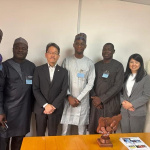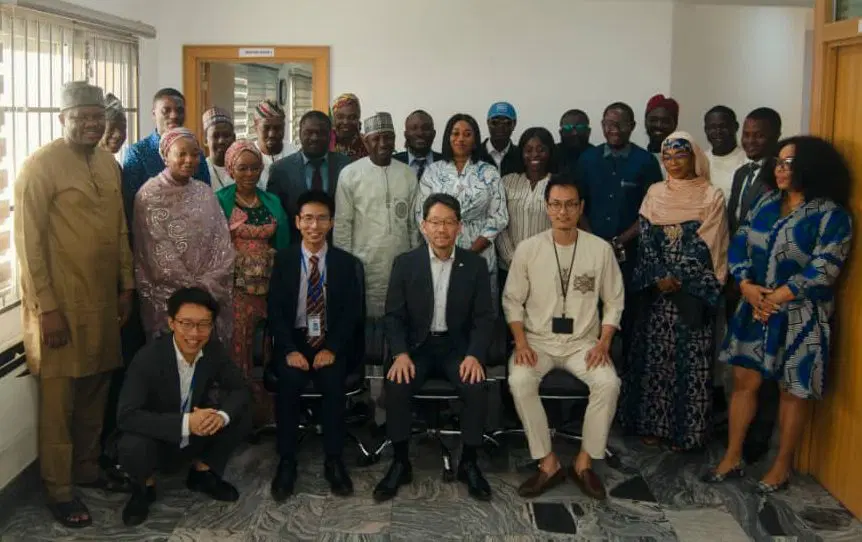
Some days remind you how far you have come. Last week in Abuja, I had the honour of serving as MC at the Orientation and Send-Forth Ceremony for the 13th batch of the Africa Business Education (ABE) Initiative, organised by JICA in collaboration with the Kakehashi Africa-Nigeria Initiative (KANI) at the JICA Nigeria Office. I am a JICA ABE alumnus, so standing on that stage was personal.
The day in brief
Eighteen Nigerian professionals and students were celebrated, including participants in the Agri-Net, PREPARE, KIZUNA, and Education and Governance Long-Term Programmes.
Japan’s Ambassador to Nigeria, Mr. Suzuki Hideo, reminded the scholars that these programmes are more than scholarships. They reflect Japan’s confidence in Nigeria’s young people. He urged them to embrace Kaizen (continuous improvement) and to treat every experience as ichi-go ichi-e, “one time, one chance”. JICA’s Chief Representative, Mr. Keiji Ishigame, shared that more than 180 Nigerians have gone to Japan through the ABE Initiative since 2015, and encouraged the new batch to engage actively with Japanese companies and collaborate with JICA projects after they return.
Two scholars stood out for me. Maimuna Muhammed Lawal will study International Relations at the International University of Japan, with a focus on trade and economic diplomacy. Dr. Chukwudi Mary will study Veterinary Epidemiology at Rakuno Gakuen University, researching climate change and tick-borne animal diseases.
My story, and why I shared it
When I was at the International University of Japan, one of the most valuable things I did was build real relationships with Japanese companies. I did not wait for opportunities to come to me. I reached out to companies directly. Sometimes I went through the university, sometimes through JICA, and other times through referrals from companies I had already built relationships with.
Each connection opened the next one. I kept building on the relationships I already had, and over time they grew to include the private sector, the public sector and multilateral agencies.
Daily life took adjusting too. Minamiuonuma is known for heavy snow, and the cold was a real test. I adapted by buying warmers and using heaters in my room constantly. Food was another challenge. I brought a variety of Nigerian food with me, but it eventually ran out. After that, I ordered online from African store e-commerce websites and from Nigerian stores I found through online links, so a taste of home was never far away.
I shared these lessons with the scholars because nobody told me some of them before I left.
What I told them to do
- Reach out and build relationships on purpose. Contact companies directly, use your university and JICA, and ask for referrals. Every connection can lead to another, so keep building across the private sector, public sector and multilateral agencies.
- Be punctual at all times. In Japan, being on time is a form of respect. [Add a short example if you have one.]
- Prepare for the weather. Buy warmers and heaters early, especially if you will live somewhere cold and snowy like Minamiuonuma.
- Plan your food. Bring Nigerian food from home, but know it will not last. Find African stores and Nigerian vendors online so you can keep ordering.
- Start learning Japanese early. Even basic phrases open doors and earn goodwill.
- Treat your internship as a long interview. Ask questions, take notes and take initiative.
- Practise Kaizen daily. Small improvements add up over a two-year programme.
- Ask for help early. JICA staff, your university and fellow alumni want you to succeed.
What I told them not to do
- Don’t wait for opportunities to come to you. Take the initiative and make the first contact.
- Don’t isolate yourself with only fellow Nigerians or only your books.
- Don’t ignore the rules and culture, from sorting rubbish to keeping quiet on trains. Learn them quickly.
- Don’t be late. Not once.
- Don’t stop at the certificate. Bring back skills, networks and ideas, and be a true Kakehashi, a bridge between Japan and Nigeria.
My message to the 13th batch
You are not going alone. You carry the hopes of your families, your organisations and your country, and an alumni community is behind you. Make the most of every moment, and come back ready to build.