
Nigeria and Japan have opportunities to deepen their economic relationship. The challenge is turning mutual interest into trusted partnerships, commercially viable projects and measurable results.
International relationships are valuable, but their greatest value is realised when they lead to practical outcomes.
For Nigeria and Japan, this means moving beyond goodwill, diplomatic engagement and expressions of interest towards partnerships that create business opportunities, strengthen institutions, transfer knowledge and deliver lasting economic benefits.
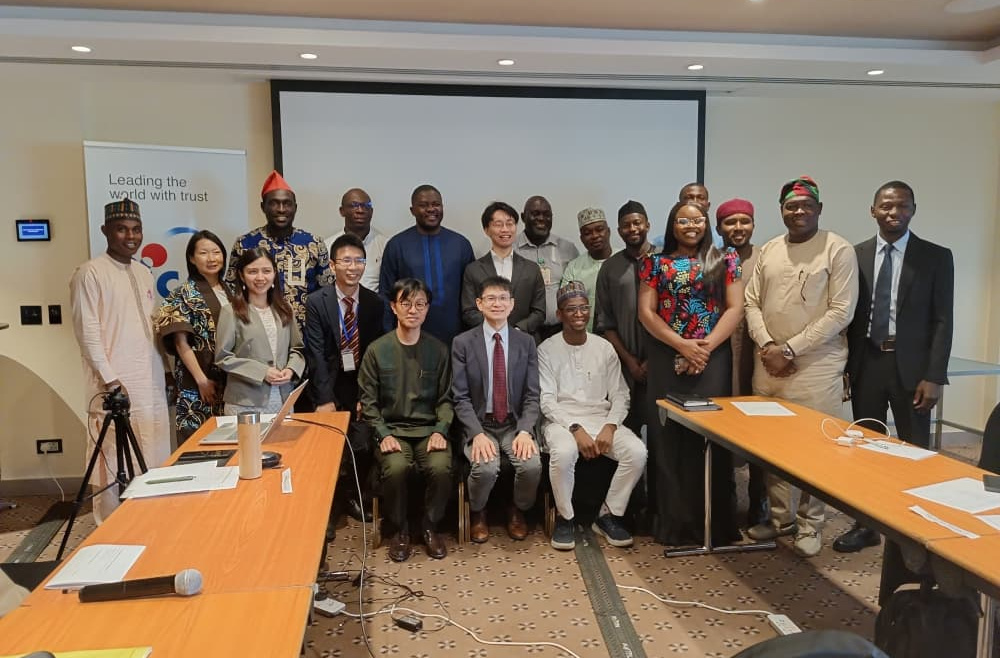
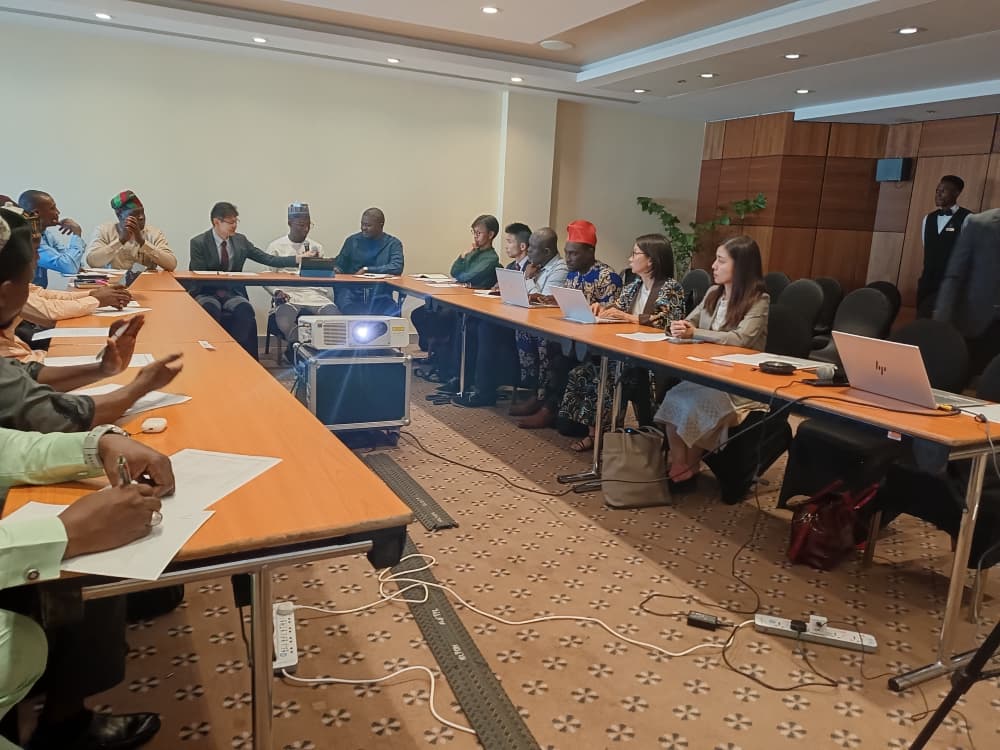
This was one of the central lessons I took from the engagement session with Professor Funabashi Gaku, a consultant to the Japan International Cooperation Agency (JICA), held in Abuja on 28 October 2026. The session brought together members of the Kakehashi Alumni Network of Nigeria (KANI), Japan-trained alumni and Japanese development experts to discuss how stronger connections between the two countries could be developed.
As Chairman of KANI’s Board of Trustees, I found the conversation particularly relevant to a question that deserves greater attention: What practical mechanisms will help Nigerian and Japanese businesses move from recognising opportunities to actually pursuing them together?
I believe the answer lies in building trust, improving access to market information, developing reliable local partnerships and making better use of the people and relationships already connecting both countries.
The missing link is not interest. It is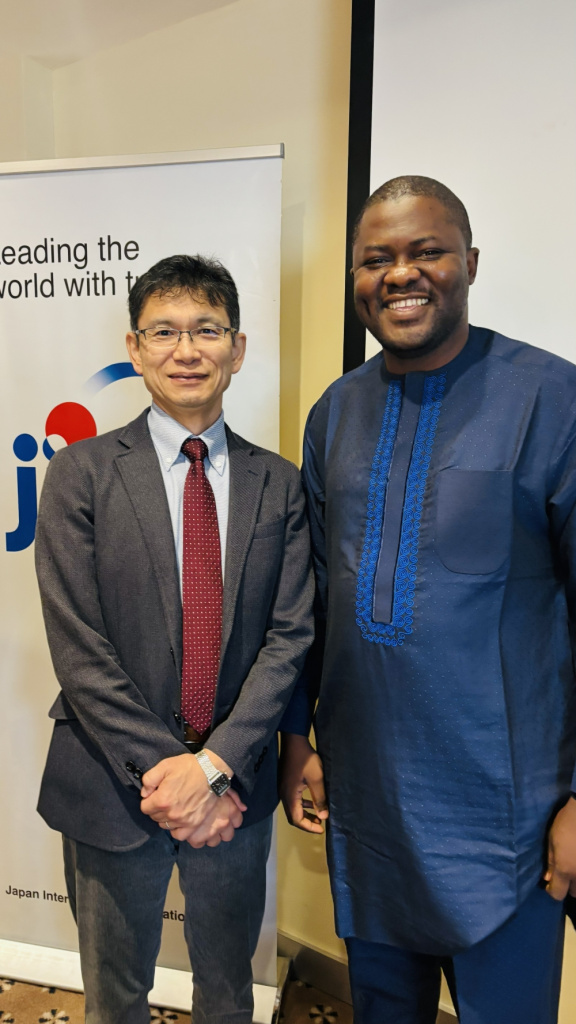 execution.
When businesses consider entering a new market, enthusiasm alone rarely determines their final decision. They need to understand the market, assess demand, identify credible partners, navigate regulations and determine whether an opportunity can generate sustainable returns.
For a Japanese company considering Nigeria, these questions may be difficult to answer from a distance. Similarly, a Nigerian entrepreneur interested in Japanese technology or products may struggle to identify the right supplier, understand commercial expectations or establish a relationship that develops beyond an initial conversation.
These are not problems that can be solved by introductions alone.
Businesses need dependable support throughout the process: from understanding the market and identifying suitable partners to evaluating opportunities, adapting products, establishing distribution channels and maintaining commercial relationships.
This is where professionals who understand both countries can make a difference.
Professor Funabashi emphasised the important role that Japan-trained Nigerians can play in connecting businesses across the two markets. His message was straightforward: alumni who understand Japanese business culture and the Nigerian operating environment can help companies identify partners and build confidence.
The implication is significant. International alumni networks should not be viewed only as communities for professional networking. They can also serve as practical channels for business discovery, market access, knowledge exchange and institutional cooperation.
Why trust matters in cross-border business
Trust is particularly important when businesses operate across different languages, cultures, regulatory environments and commercial expectations.
Japanese companies may take considerable time to evaluate opportunities, establish relationships and assess potential risks. Nigerian businesses, meanwhile, need realistic expectations about the time, preparation and consistency required to develop relationships with international partners.
Neither side benefits when discussions remain open-ended or when opportunities are presented without adequate information.
A more productive approach begins with understanding what each party needs.
A Nigerian business seeking a Japanese partner should be able to explain its capabilities, market demand, financial expectations, regulatory position and proposed route to market. A Japanese business exploring Nigeria should have access to reliable local information and people capable of providing an honest assessment of both the opportunities and the challenges.
The objective should not be to persuade every Japanese company that Nigeria is suitable for every product or service. It should be to identify where there is a genuine fit and build partnerships around evidence, mutual interests and clearly defined expectations. This same thing should be done for Nigerian companies exploring Japanese markets.
Credibility is strengthened when local representatives communicate accurately, follow through on commitments and help international partners understand the realities of the market.
Over time, this is how individual relationships can develop into institutional confidence and sustainable business partnerships.
 Rethinking how Japanese businesses enter the Nigerian market
One particularly useful idea raised during the Abuja engagement was that businesses do not always need to establish a physical presence in another country before exploring commercial opportunities.
For some companies, licensing, distribution arrangements, technology transfer, local adaptation or the introduction of an established business model may provide a more practical starting point.
Consider a Japanese company with a proven product or service. Depending on the product, regulatory requirements and commercial arrangements, it might explore working with a qualified Nigerian distributor, licensing a business model to a local operator, or partnering with a Nigerian company that understands the target customers.
Such arrangements could allow the parties to test demand, learn from the market and assess the potential for expansion before making larger commitments.
The same principle applies in the other direction. Nigerian businesses can investigate Japanese technologies, operating practices and business models that address identifiable local needs.
However, successful adaptation requires more than copying what works elsewhere. Products and services must be assessed against local purchasing power, infrastructure, customer behaviour, regulations and operational realities.
The objective is to combine what each market does well to create solutions that work commercially in the other.
Opportunities must be matched with market realities
The engagement also highlighted sectors that could merit further investigation, including solar energy, agro-processing, logistics and value-added local products.
Nigeria’s agricultural resources, for example, create opportunities to explore how products such as sesame and groundnuts can move beyond raw commodity sales towards processing, improved packaging, consistent quality and more sophisticated market positioning.
Japanese expertise in technology, quality management, product development and operational improvement could be relevant to some of these opportunities. Nigerian businesses, in turn, can contribute local knowledge, access to resources, customer relationships and an understanding of the domestic market.
Solar energy is another area worth examining. Demand for reliable electricity creates commercial questions around equipment, installation, financing, maintenance, distribution and after-sales support. Japanese businesses and Nigerian partners could investigate opportunities in specific parts of this value chain where their capabilities and commercial interests align.
Logistics and supply-chain development also deserve attention because the ability to move products reliably affects the competitiveness of businesses across many sectors.
These are potential areas for collaboration, not guarantees of commercial success. Each opportunity requires proper market research, technical assessment, regulatory due diligence and a credible business case.
The wider lesson is that identifying a promising sector is only the beginning. The real work is finding a specific problem, establishing that a market exists, identifying the right partners and developing a viable way to serve that market.

Better market information can improve business decisions
Another important issue raised during the engagement was the need for reliable, accessible market data.
Businesses need credible information to estimate demand, understand competition, evaluate risks and make investment decisions. When relevant data is difficult to obtain, outdated or insufficiently detailed, companies may struggle to assess opportunities with confidence.
This challenge is not resolved by promoting a country’s potential alone. It requires making that potential easier to investigate.
Industry associations, government institutions, universities, business networks and private-sector organisations can all contribute by improving the availability and quality of market information.
For Nigeria–Japan cooperation, useful information could include sector-specific demand, applicable standards, regulatory requirements, distribution structures, potential local partners and the practical costs of operating in a market.
The information must also be presented in a way that businesses can use.
A Japanese company investigating an opportunity in Nigeria, for instance, needs more than a general overview of the Nigerian economy. It needs information relevant to its particular product, customers, sector and proposed entry strategy.
Likewise, Nigerian businesses seeking opportunities in Japan need to understand the expectations and requirements of their target market.
Better information does not eliminate risk, but it can help businesses make more informed decisions about where to invest their time and resources.
Turning alumni networks into practical business infrastructure
One of the most valuable resources connecting Nigeria and Japan is the community of people who have studied, trained, worked or built professional relationships in both countries.
These individuals often possess something that cannot be acquired through a market report alone: an understanding of how people work, communicate, negotiate and build professional relationships in different environments.
Their contribution can extend beyond making introductions.
Alumni can help businesses assess market fit, explain cultural expectations, identify relevant institutions, facilitate technical conversations and maintain communication between partners. They can also help distinguish between opportunities that are commercially realistic and those that require further investigation.
For these contributions to become more effective, however, networks need practical ways of working.
This could include sector-focused business introductions, structured meetings between companies, market intelligence initiatives, collaboration with relevant professional bodies and closer engagement between universities and industry.
It could also involve documenting opportunities, identifying responsible parties and following up systematically to determine whether discussions are progressing.
The purpose is not to turn every alumni relationship into a commercial transaction. Rather, it is to create pathways through which professional relationships can generate value for businesses, institutions and communities where appropriate.
For organisations such as KANI, this represents an opportunity to help connect people and institutions while encouraging practical cooperation between Nigeria and Japan.
From local strengths to international markets
The discussion also brought to mind the relevance of Japan’s One Village One Product (OVOP) approach to local product development.
The underlying idea is worth considering in Nigeria: communities can build stronger enterprises by developing products around local strengths, improving quality and creating offerings that customers genuinely value.
But international competitiveness requires more than identifying a distinctive local product.
Producers must also consider processing, packaging, consistency, pricing, standards, distribution and customer expectations. Where appropriate, partnerships with technology providers, researchers, distributors and experienced businesses can help close the gaps between local production and wider market demand.
For Nigerian products seeking access to Japan or other international markets, these considerations are particularly important.
The opportunity is not simply to export more. It is to build products and businesses that can compete sustainably, generate income and create greater value for producers and their communities.
Achieving this requires coordinated efforts among entrepreneurs, public institutions, development partners, universities and private-sector organisations.
What should happen next?
The conversations between Nigerian and Japanese stakeholders should lead to further investigation of practical opportunities. Based on the issues raised during the Abuja engagement, I see four priorities worth pursuing.
First, develop more targeted business connections. Instead of relying exclusively on general networking, businesses should be matched according to their products, capabilities, market needs and partnership objectives.
Second, improve access to actionable market intelligence. Companies need reliable, sector-specific information that helps them assess opportunities, understand requirements and make investment decisions.
Third, explore flexible routes to market entry. Licensing, distribution, technology partnerships, local adaptation and other suitable arrangements may offer practical alternatives to establishing a physical presence immediately.
Fourth, strengthen follow-through. Business opportunities need clear objectives, responsible contacts and consistent communication. Where there is mutual interest, the parties should agree on the next steps needed to determine commercial viability.
These priorities are proposals for moving the discussion forward, rather than a claim that all four were formally adopted at the engagement.
They also require the participation of more than alumni alone. Businesses, government institutions, universities, professional associations and development organisations each have a role to play in creating an environment where credible partnerships can develop.

A bridge must lead somewhere
The most important lesson from the Abuja engagement is that connections matter most when they help people take the next step.
A bridge between Nigeria and Japan should do more than bring people into the same room. It should help them understand one another, identify shared interests, overcome practical barriers and determine whether they can build something valuable together.
That requires patience, reliable information, professional integrity and a willingness to move from broad aspirations to specific opportunities.
Nigeria has businesses, entrepreneurs, resources and institutions that can contribute to international partnerships. Japan has technologies, expertise, products and business experience that may complement those strengths. The task is to identify where these capabilities align and create workable arrangements that benefit both sides.
As someone who has experienced the value of international education and now participates in efforts to strengthen Nigeria–Japan relations, I believe there is considerable scope to make these connections more productive.
The next phase of cooperation should therefore focus not only on how many relationships we establish, but also on how effectively we help those relationships create opportunities.
The objective is simple: move from goodwill to trust, from trust to partnership, and from partnership to measurable results
Related posts:
 Beyond Borders: A Successful YKK Business Expedition from Atlanta to Japan
 Inside Subaru Automobile Manufacturing Marvel: A Deep Dive into behind the Scenes
 [Towards TICAD9] Supporting the further advancement of African students: We held an exchange meeting with ABE Initiative trainees
 Japanese Calligraphy Workshop organised by IUJ Nihongo Oshaberi Club
 Nissan’s Heritage and Horizon: Revving Up Innovation from Datsun to e-4orce
 Historical Havens: The Timeless Allure of Nagasaki and Kagoshima